


Redlands Plastic Surgery
Redlands & Loma Linda #1
board certified plastic surgeons.
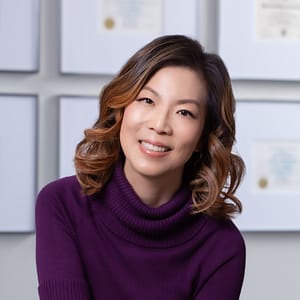
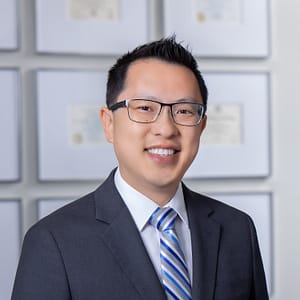
Our plastic surgeons
in Redlands.


Aesthetic Nurses
Redlands



Our services.
Our office.
Chic & charming, just like the rest of Redlands.

Redlands
Advanced Institute for Plastic Surgery
555 Cajon Street
Suite B
Redlands, CA 92373
Operating Hours
SUNDAY - Closed
MONDAY 10:00 AM - 6:00 PM
TUESDAY 9:00 AM - 5:00 PM
WED -THUR 10:00 AM - 6:00 PM
FRIDAY 9:00 AM - 5:00 PM
SATURDAY - Closed
Driving Directions
From Palm Springs
Take Route 10-W.
Exit Cypress Avenue.
Turn LEFT on Cypress Avenue.
From Riverside
Take Route 10-E.
Exit Eureka Street.
Turn RIGHT on Eureka Street.
Turn LEFT on W Fern Avenue.
Turn RIGHT on Cajon Street
Then
We are on the corner of Cypress Avenue and Cajon Street.
Park in the designated parking spaces in the back.
Our patients love us.
In Redlands and beyond.
5.0 ★★★★★
Reviews from verified AIPS patients
★★★★★
Judy
I have to admit -I made the perfect choice when I choose Dr Duncan Miles at Redlands Plastic Surgery. I want to think Dr. Miles and his excellent staff for the best experience one could hope for. I had quite a few procedures done all in one surgery event. I am extremely happy with the results - they are amazing so natural and I feel like $1 million looking ten years older. Any pain, Bruising and swelling were at a minimum. Everybody in the office made me feel welcome and very important. Dr. Miles and his nurse have been very attentive and so down to earth. I highly recommend Dr. Duncan Miles of Redlands Plastic surgery for all your cosmetic surgical needs. I give five stars but if I could Give 10 I would.
★★★★★
Phila
Getting any augmentation or surgery is always nerve wrecking, I went to the office to to get an consultation and the staff and Dr. Kim was very comforting and professional. I decided to go thru with the breast augmentation and it was an experience I won’t forget. The surgery went great but plenty of pain afterwards, Dr. Kim was amazing and her professionalism made me felt at ease. The augmentation turned out exactly what I wanted and would highly recommend anyone looking for any augmentation done. Office and staff was impeccable.
★★★★★
Christian
Dr.Wongworawat is the best! Look no further. I have been seeing him for almost a decade for Botox and fillers . He is honest , knowledgeable and amazing at what he does. He listens to your needs and gives you the results you are looking for. He is a skilled plastic surgeon and treats you feel like family. The staff is always welcoming and very helpful.
Frequently Asked Questions
Awards & Recognitions.
We're so proud that you love us so much.








98%
patient satisfaction.
From an independent survey on overall experience with the practice.

Meet our surgeons.
We would love to meet you too. Schedule an appointment with our board certified plastic surgeons.